SacramentoRoadside Assistance (916) 999-7212
Exit 916

Broken Down on a Sacramento Freeway: What to Do Next

(916)999-7212
  • Natomas
  • West Sacramento
  • Elk Grove
  • Rancho Cordova

A car that dies on I-5, I-80, US-50, Highway 99 or the Capital City Freeway puts you beside fast traffic with little room. This guide covers the first moves, the Move Over law, tule fog, summer heat and the Yolo Causeway.

Have this ready when you call

  1. The freeway, your direction and the nearest exit number, mile marker or cross street
  2. The make, model and year, and say if you are on the shoulder or in a lane
  3. A callback number, and whether anyone in the car is hurt or unwell
(916) 999-7212
Q.01

What do I do first when my car dies on a Sacramento freeway?

Turn on the hazard lights, steer to the right shoulder while the car still rolls, and stop as far from the lanes as you can. Brake gently. Once stopped, set the parking brake, keep your seatbelt on and call for help.

When power fails you lose power steering and brake assist, so for the first ten seconds the wheel feels heavy and the pedal feels stiff. Grip firmly and use the momentum to coast toward the right shoulder, or an exit ramp if one is close. Signal, check your mirror and move over smoothly. Avoid the left shoulder on I-5, I-80, US-50 and Highway 99 unless the right is blocked, because the left shoulder is narrow and puts you beside the fastest traffic. Stop with the wheels turned away from the road, so a hit would push the car away from the lanes. Then leave the hazards flashing and stay put. If you carry flares or a reflective triangle, use them only if you can do it without stepping into traffic.
Q.02

When should I call 911, and should I stay in the car, on a Sacramento freeway?

Call 911 first if you are stopped in a travel lane, anyone is hurt, or you see smoke or fire. Otherwise stay belted in with the doors closed and call roadside help. The car is safer than the shoulder.

A car in a travel lane is an emergency, because drivers behind you may not see it in time. Dial 911, say the freeway, the direction and the nearest exit or cross street, and let the dispatcher send the California Highway Patrol. The same goes for injuries, a fuel leak or a fire. If you are on the shoulder and unhurt, staying in the car with the seatbelt fastened protects you if another vehicle drifts onto the shoulder. Standing outside the car, or leaning against it, puts your body where a clipped mirror would hit it. Passengers should stay inside too, and small children should stay in their seats. If you must leave because of fire or smoke, exit on the side away from traffic, walk well past the guardrail or fence line, and call from there.

Q.03

What does California's Move Over law mean for a Sacramento breakdown?

California law requires drivers to move over a lane, or slow down if they cannot, when passing a stopped tow truck, police car or Caltrans vehicle with flashing lights. It exists to protect people working beside traffic. Your own hazards do not trigger it.

The Move Over law is in the California Vehicle Code, and it covers tow trucks, emergency vehicles and Caltrans vehicles that are stopped with their lights on. If you cannot change lanes safely, you must slow to a speed that is reasonable for conditions. In practice, a roadside operator working beside your car on US-50 or I-80 depends on this law, and not every driver follows it. That is why it helps to stay inside your car until the operator tells you what to do, and to stay on the side away from the lanes when you do get out. If a truck pulls in behind you with an amber light bar, you can lower your window a little and give your name, but keep your belt on until the truck driver says to move.

Q.04

How do I handle tule fog on a Sacramento freeway?

Pull completely off the road, turn on the hazards and your low-beam headlights, and stay belted in. Stopping in a lane in fog is dangerous, because drivers behind cannot see you until they are close.

Tule fog settles over the Central Valley on winter nights and mornings, and it can drop visibility to a few car lengths on I-5, Highway 99 and I-80. If your car is failing, get off the road as early as you can, ideally onto an exit ramp or a wide shoulder rather than the edge of a lane. Keep the low beams and hazards on so following drivers see you. Do not use high beams, which reflect off the fog. Keep the seatbelt on, stay in the car and call. When you describe your location to the operator, use the last exit sign or mile marker you saw, because a landmark you can only guess at is hard to find in white-out conditions. If the fog is thick and you can still drive slowly, go to the next exit instead of stopping beside fast traffic.

Q.05

What should I do in summer heat when stuck on a Sacramento freeway?

Keep water on hand, stay out of direct sun if you can, and call early. Sacramento summers often pass 100 degrees, and a closed car heats fast. If the engine runs, do not idle with the air conditioning on for long.

A stalled car on a Sacramento shoulder in July can turn uncomfortable quickly, and the pavement is hotter than the air. If the engine is overheating, shut it off. Idling with the AC on pushes more heat into a cooling system that is already struggling. Open the hood latch from inside only if you intend to wait for help and can do it without walking into traffic, and never open a radiator cap on a hot engine. Sip water, keep children and pets out of a sealed car, and crack the windows on the side away from the lanes. Anyone who feels dizzy, confused or sick should get a 911 call, not a roadside call. For everyone else, give the operator your location and stay put. Carrying a gallon of water in the trunk costs little and helps in summer.

Q.06

What if I break down on the Yolo Causeway near Sacramento?

If the car still rolls, keep going to the next exit instead of stopping. The Yolo Causeway on I-80 is a long raised stretch with no easy exits, and a stopped car there has little room beside it.

The causeway carries I-80 across the Yolo Bypass between West Sacramento and the next town west, and it runs on a high roadway for several miles. Shoulders are limited, and there is nowhere to pull far from the lanes. If your car has lost power but still moves, ease off the gas, turn on the hazards and coast for as long as you can toward the closest exit, even if it is a long way off. If you do stop, keep the seatbelt fastened and the hazards flashing, call 911 if you are blocking a lane and tell the dispatcher you are on the causeway with the direction you were heading. Roadside help can still reach you, but a truck needs a safe place to work, and the operator will plan the approach with you.

Q.07

What is Freeway Service Patrol in Sacramento, and does it replace a roadside call?

Freeway Service Patrol is a program of the California Highway Patrol and Caltrans, with local partners, that sends patrol trucks along busy freeway sections. Coverage and hours are limited, so check the official page before relying on a truck showing up.

The California Highway Patrol describes the program on its own site, linked below. Patrol trucks work set stretches of freeway during set periods, and they cannot be called to a spot the way a roadside line can. The CHP also says the program does not tow a vehicle to a private repair shop or a residence, which is the main reason many drivers still make their own call. If a patrol truck stops beside you, accept the help and let the driver explain the options. If none comes, or you want your car taken to a particular shop or your driveway, call this line and describe the location and the vehicle. Caltrans QuickMap, also linked below, shows current road conditions, closures and incidents, so you can see what is going on around you before you head out.

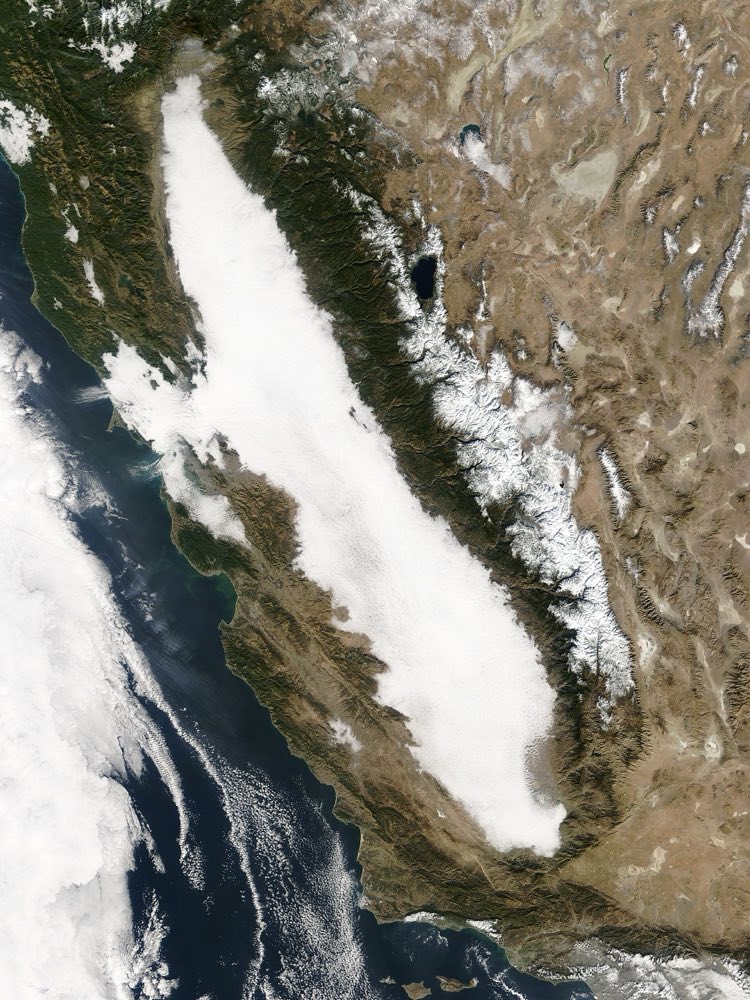
Satellite view of tule fog filling the Central Valley of California
Tule fog filling the Central Valley, seen from orbit in January. The same fog closes in on I-5 and Highway 99 on winter mornings.

Write it down before you dial

Fill in the ticket and tap send. It goes to the local operator's phone as a text, and they call you back on the number you give. In a hurry? Call (916) 999-7212 instead.

On a freeway, tap the road and your direction, then add the nearest exit or cross street. That is enough for the operator to find you.

(916)999-7212

Breakdown ticketSacramento, CA

On a freeway? Tap the road, then the direction

Sacramento and the towns around it

Calls come from every part of Sacramento and from West Sacramento, Elk Grove, Rancho Cordova, Citrus Heights, Roseville, Carmichael and Fair Oaks. Travel to the far edges of the county is part of the quote you hear on the call.

  • SacramentoSacramento County · home base
  • West SacramentoYolo County · across the Tower Bridge
  • Elk GroveSacramento County · south on Highway 99 and I-5
  • Rancho CordovaSacramento County · east on US-50
  • Citrus HeightsSacramento County · northeast on I-80
  • RosevillePlacer County · northeast on I-80
  • CarmichaelSacramento County · northeast along the American River
  • Fair OaksSacramento County · east on the American River

Town-by-town coverage, with a map for each

Call (916) 999-7212Text