SacramentoRoadside Assistance (916) 999-7212
Exit 916

Flat Tire Change in Sacramento, CA

(916)999-7212
  • Natomas
  • West Sacramento
  • Elk Grove
  • Rancho Cordova

The tire is shredded, or the hole is too big to plug, and you would rather not kneel on a freeway shoulder in July. An operator brings a jack and the right tools, puts your spare on and checks it holds air. You hear the quote first.

What moves the quote

Have this ready when you call

  1. Where the car is, and whether it sits on level ground
  2. Which wheel is flat, and whether the spare is full-size or a compact donut
  3. The wheel lock key, if the car has locking lug nuts
(916) 999-7212
14253 Tightenin this order snug, lower,then tighten
Five-lug wheel. Snug each nut in this crisscross order, lower the car, then tighten again in the same order.

How the spare goes back on

Lug nuts are tightened across the wheel, never in a circle, so the wheel seats flat against the hub. Going around in a circle can leave it slightly crooked and loose.

The operator snugs the nuts by hand first, lowers the car so the tire takes weight, then finishes in the same order. Have them checked again after the first stretch of driving on the spare.

Q.01

How much does a flat tire change cost in Sacramento?

A flat tire change is quoted on the call, because the price depends on where the car sits, what is stuck and what hour it is. Describe the tire and your location to the operator at (916) 999-7212, and you hear one number before anyone drives out.

A spare change on a flat driveway in Elk Grove is quick work. The same job on the narrow shoulder of the Capital City Freeway, with traffic close by, needs more care and takes longer. Locking lug nuts without the key, a wheel rusted onto the hub and a spare that has lost its air all add work. So does a heavy truck or an SUV that needs a bigger jack. Late calls and far edges of the service area change the number too. The operator asks about the car, the tire and the spot, then gives you one price. If the job turns out different on arrival, the operator tells you before touching the car, and you decide.
Q.02

How does a roadside operator change a spare on a Sacramento shoulder?

The operator parks to shield the work area, chocks the wheels, loosens the lug nuts, lifts the car, swaps the wheel and tightens the nuts in a crisscross pattern. Then the spare pressure is checked and the nuts are torqued again.

Each step comes in a set order for safety. The lug nuts are broken loose while the wheel is still on the ground, because the car holds the wheel still. Then the jack goes under the correct lift point, which is marked in the owner's manual, and the car goes up just far enough for the spare to slide on. Nuts go on by hand first, then snug in a crisscross pattern so the wheel seats flat. The car comes down, and the nuts get a final tightening. On a Sacramento freeway the operator also thinks about traffic: the truck parks behind the car with its lights flashing, and the work happens on the side away from the lanes whenever the shoulder allows it. You stay in the car or well back behind a guardrail.

Q.03

What if my wheel has locking lug nuts and I lost the key in Sacramento?

A locking lug nut needs its own key, usually stored in the glove box, the center console or the spare tire well. Without it, the nut can sometimes be removed with a special tool. Tell the operator on the call so the right gear comes along.

One lug nut on each wheel is often a locking nut with an odd pattern that a normal socket will not grip. The key looks like a small socket with a pattern on one end. Check the glove box, the console, under the trunk floor and in the door pocket before you call. If the key is gone, the operator may have a removal tool that bites onto the nut, but it takes time and can leave the nut damaged, so it is not always the right call. A badly rounded nut can turn a simple flat tire change into a longer job. Say plainly on the call what you have and what you do not. A photo of the wheel helps, and so does the make and model.

Q.04

Can I drive on a compact spare tire around Sacramento?

A compact spare, often called a donut, is a short-term fix with a speed limit printed on its sidewall, commonly about 50 miles per hour. Drive gently and only as far as the nearest tire shop. Do not take it on long freeway trips.

Compact spares are narrower and lighter than a normal tire, and they are built to get you to a shop and nothing more. The sidewall or the owner's manual gives the maximum speed and sometimes a distance. In Sacramento that rules out a run up I-80 over the Yolo Causeway at full freeway speed, and it makes the surface streets a better choice until you reach the shop. A donut also changes how the car brakes and corners, and on front-wheel-drive cars it belongs on the rear axle if the front tire went flat; the operator can explain what the manual says about your car. Full-size spares are fine for normal driving, but check that they match the other tires closely.

Q.05

What if my spare tire is flat or missing?

A spare that has lost air can usually be filled where the car sits, and a missing spare means the tire is plugged if possible or the car is towed. Tell the operator what the car carries. Many newer cars ship with an inflator kit instead of a spare.

Spares sit for years under the trunk floor or beneath the car, and they lose pressure the whole time. Heat and age also crack the rubber, even when the tread looks new. If the spare is soft, an operator can air it up and check the sidewall before it goes on. If it is cracked or has a bulge, it should not be driven. Many newer cars have no spare at all, only a sealant and inflator kit or run-flat tires. In that case the usual move is a roadside plug when the puncture is in the tread. When the tire is too damaged and there is no usable spare, the car may need to be towed to a shop. The operator tells you which one it is before any work starts.

Q.06

Why is my wheel stuck, and can it still be removed?

A wheel can seize onto the hub from rust and corrosion, especially on older cars that sit for long stretches. A firm kick or a gentle rock often loosens it. A stubborn wheel takes rust-loosening spray and patience, and the operator will not force it and risk the hub.

Where the wheel meets the hub, the metal can fuse over time, particularly on alloy wheels that sat in one place for months. Once the lug nuts are off, the wheel sometimes stays put. Operators loosen it by tapping around the back of the tire with a rubber mallet or by rocking it side to side. Heavy hammering can damage the wheel and bearings, so a good operator avoids it. Winter in the Central Valley is damp, and coastal fog brings moisture too, which speeds up corrosion. If a car has not moved in a long time, mention that on the call. A thin coat of anti-seize paste on the hub face at the next tire shop visit prevents the same problem for the next flat.

Q.07

What should I check after the spare is on my car?

Check the spare's air pressure, re-tighten the lug nuts after a short drive, and book the damaged tire for repair or replacement soon. Drive gently and avoid the freeway if you are on a compact spare. Keep the flat tire with you.

A spare that was fitted at the roadside has been tightened with tools, but it is good practice to ask the operator to check the nuts again before leaving, and have a shop do it again after the first drive. Look at the spare's pressure on the sticker or the sidewall; some compact spares call for much more air than a normal tire, around 60 psi. Listen for odd vibrations as you drive. Put the flat tire in the trunk so a tire shop can see where the damage is and tell you whether it can be repaired, because a puncture in the tread is sometimes fixable. Then put your tire repair kit and wheel lock key back where you can find them, so the next flat goes quicker.

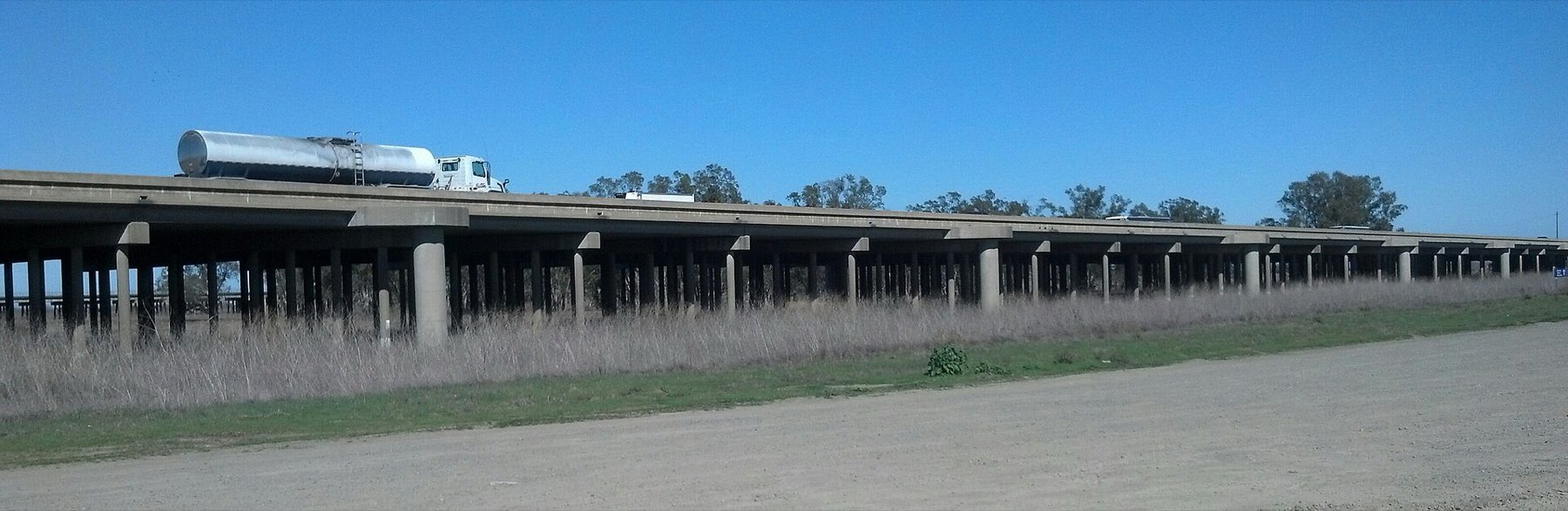
The I-80 Yolo Causeway crossing the Yolo Bypass
The Yolo Causeway carries I-80 over the Yolo Bypass west of the city, a long raised stretch with few places to pull off.

Write it down before you dial

Fill in the ticket and tap send. It goes to the local operator's phone as a text, and they call you back on the number you give. In a hurry? Call (916) 999-7212 instead.

On a freeway, tap the road and your direction, then add the nearest exit or cross street. That is enough for the operator to find you.

(916)999-7212

Breakdown ticketSacramento, CA

On a freeway? Tap the road, then the direction

Sacramento and the towns around it

Calls come from every part of Sacramento and from West Sacramento, Elk Grove, Rancho Cordova, Citrus Heights, Roseville, Carmichael and Fair Oaks. Travel to the far edges of the county is part of the quote you hear on the call.

  • SacramentoSacramento County · home base
  • West SacramentoYolo County · across the Tower Bridge
  • Elk GroveSacramento County · south on Highway 99 and I-5
  • Rancho CordovaSacramento County · east on US-50
  • Citrus HeightsSacramento County · northeast on I-80
  • RosevillePlacer County · northeast on I-80
  • CarmichaelSacramento County · northeast along the American River
  • Fair OaksSacramento County · east on the American River

Town-by-town coverage, with a map for each

Call (916) 999-7212Text